Body Contouring
Fat Removal(Liposuction)
Adipose tissue is made up of fat cells. After puberty, no new fat cells form in the body. As we gain and lose weight, the existing fat cells grow and shrink in volume.
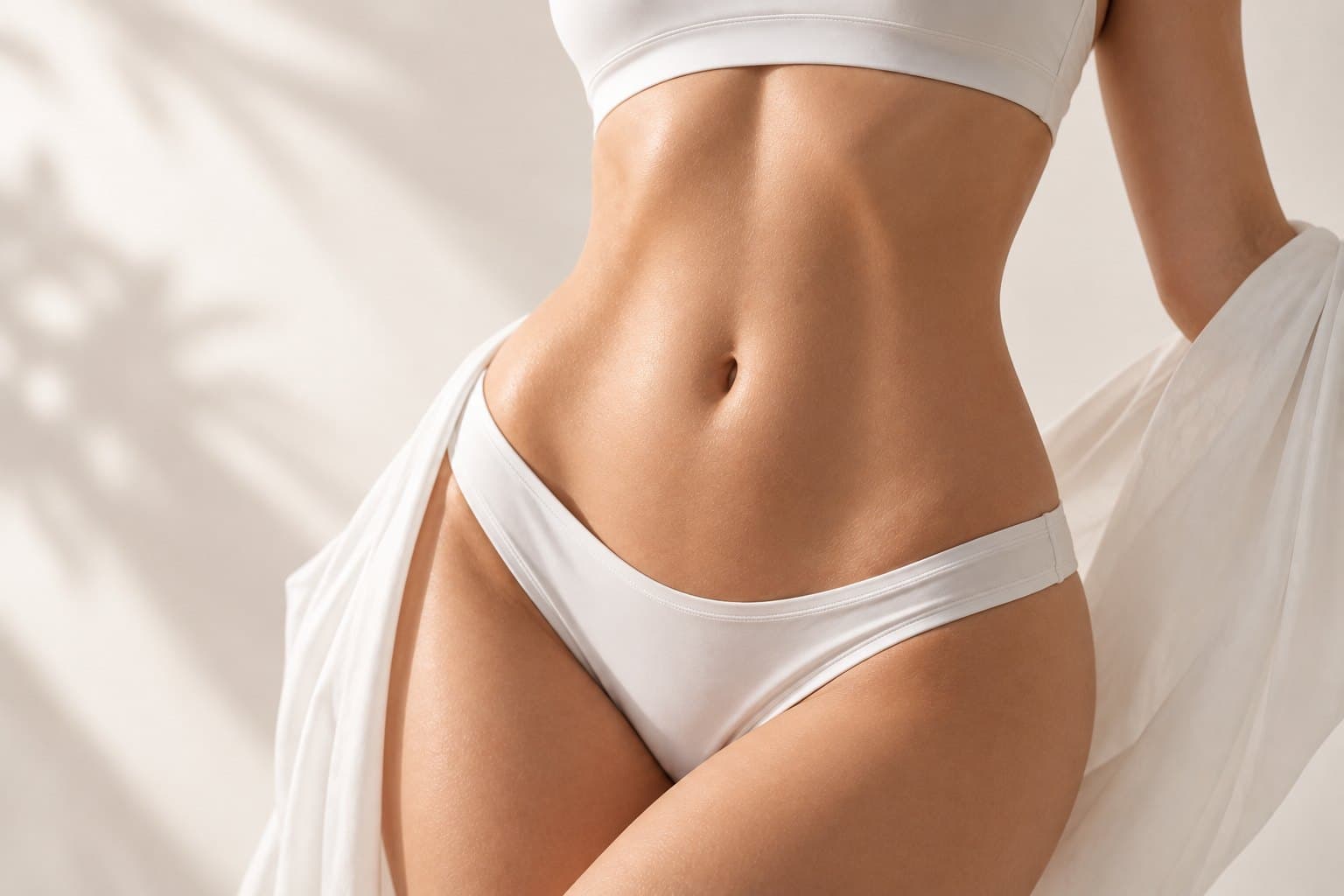
About Liposuction
What is Fat Removal?
Adipose tissue is made up of fat cells. After puberty, no new fat cells form in the body. As we gain and lose weight, the existing fat cells grow and shrink in volume. Adipose tissue is the body's energy store and meets its energy needs when required (in a state of hunger). In addition, many hormones are secreted by adipose tissue.
There are two types of adipose tissue in our body. One is the fat tissue located under the skin, which thickens and thins as we gain and lose weight. This fat tissue can be reduced with diet and exercise. The second type of fat tissue lies deeper, is genetically coded and is not much affected by diet and exercise. This fat tissue accumulates according to the person's familial and ethnic characteristics.
Redefine your body's natural contours with modern technology; take your self-confidence and body image to the highest level with your new silhouette in the mirror.
Who Is It For?
Who is suitable for liposhaping?
The success of liposuction depends on skin elasticity. When the underlying fat tissue is emptied, the skin needs good elasticity in order to tighten itself again.
Full answerHow Is It Done?
How is liposhaping performed?
Liposhaping consists of liposuction and fat injection. The first stage of the procedure is the preoperative markings. With the patient standing, it is determined from which parts of the body and how much fat will be removed and where fat will be added.
Full answerRecovery
Is it necessary to wear a compression garment after liposhaping?
The garment is used to help the skin in the area from which fat was removed to tighten itself, in order to prevent skin sagging. At the end of the operation, the patient is fitted with a garment covering the entire area where liposhaping was performed.
Full answerAlthough it varies from person to person, fat accumulation in women most often occurs on the buttocks, legs, hips and abdomen, and in men on the belly and waist. Intra-abdominal fat accumulation is also common in men. Intra-abdominal fat in particular predisposes to heart disease, and it is important to eliminate it. Fat deposits in the body are a source of distress for many patients. As age advances, the basal metabolic rate falls, so losing weight becomes progressively harder. Accumulations that form in certain areas, especially after the age of 30, are not much affected by diet and exercise. Resistant fat tissue usually does not melt away even if the patient loses weight. Many women cannot get rid of the fat on their hips even when they lose weight with diet and exercise. As they continue dieting, they begin to lose tissue from places they do not want to: their faces become hollow and their breasts deflate, yet the hips do not become any slimmer. In such cases liposhaping is an effective solution.
Removing adipose tissue from the body with the help of a vacuum and transferring fat to the areas where it is needed is called “liposhaping” or “fat-shaping surgery”. The basis of the procedure is “liposuction”, that is, “fat suction”. The addition of fat injections has made the procedure more comprehensive. The aim of liposhaping is not to make the patient lose weight but to shape their body.
Let's Create the RightPlan for You Together.
Contact us for detailed information on Liposuction and a treatment plan tailored to you.
Frequently Asked Questions
All QuestionsHow is liposhaping performed?
Liposhaping consists of liposuction and fat injection. The first stage of the procedure is the preoperative markings. With the patient standing, it is determined from which parts of the body and how much fat will be removed and where fat will be added. The patient is then taken to surgery. A fluid containing a numbing drug (local anaesthetic) and a drug that prevents bleeding (adrenaline) is given to the areas from which fat will be removed. Small openings are made. Thin tubes (cannulas) are inserted through these openings and the fat tissue is suctioned with the help of a vacuum. The vacuum is created with syringes or with the help of a motor. If fat grafting is planned, the suctioned fat is collected in a sterile environment, washed, filtered and, if necessary, concentrated by centrifugation. The prepared fat is given to the areas where it needs to be added using thinner cannulas.
Who is suitable for liposhaping?
The success of liposuction depends on skin elasticity. When the underlying fat tissue is emptied, the skin needs good elasticity in order to tighten itself again. Patients who have gained and lost a lot of weight and those with widespread stretch marks (striae) on their skin do not have good skin elasticity and are not good candidates for liposuction. Likewise, the abdominal area of women who have given birth more than once is often not suitable for liposuction.
Liposuction is not a weight-loss operation. Liposuction is a procedure aimed at removing limited fat deposits in areas that cannot be slimmed with diet and exercise. The ideal liposhaping patient is young, has good skin elasticity and is not overweight. Liposuction can also be performed in overweight patients, but the aim should not be to make the patient lose weight; it should be to provide a more shapely body at their current weight.
In addition, in body contouring operations such as breast reduction and tummy tuck, these operations can be combined with liposuction in order to reduce the length of the incisions or to shape the body better.
At what ages can liposhaping be performed?
Liposhaping is generally performed in young and middle-aged patients with good skin elasticity. However, even at an advanced age, liposhaping can be successful in people who have a good body form, elastic skin and exercise regularly.
Which areas is liposuction performed on?
Patterns of fat accumulation vary greatly according to sex and ethnicity. In women, fat deposits most often occur on the hips, around the waist, below and above the navel, on the legs and on the neck. In men, fat accumulates on the belly and around the waist, on the breasts and on the neck. One of the typical patterns of fat accumulation in men is intra-abdominal fat.
Fat injections, on the other hand, are given to the areas considered necessary. Most often they are given to the buttocks to shape and lift them. Fat injections may also be used to correct leg shape, to thicken the legs and sometimes for breast enlargement.
What does high-definition (Hi-def) liposhaping mean?
Hi-def liposhaping is fat-shaping surgery performed with attention to very fine details. It can be applied to young patients who have little excess weight, exercise regularly and have good skin elasticity. Fat is removed from certain places and given to certain areas. With this method, the appearance of abdominal muscles (6-pack) is created in men; in women, the groin lines are made more defined and back dimples can be created. Attractive plays of light can be achieved on the abdomen and back.
Which methods other than vacuum can be used?
Fat suction is usually performed with the help of a vacuum. Either syringes or motor systems are used to create the vacuum.
The liposuction procedure can be made easier by breaking up the fat tissue before suction. In these methods, also called power-assisted liposuction, ultrasonic energy or lasers are generally used. In both methods, the applied energy is converted into heat energy in the tissues, both breaking up the existing fat and making liposuction easier, and stimulating the cells that synthesise connective tissue, thereby helping the skin to tighten itself better. In this respect, the power-assisted liposuction method provides better aesthetic results than those that can be achieved with liposuction alone.
What does ultrasonographic liposuction mean?
Before liposuction, tubes that transmit ultrasonic energy are inserted through openings made in the skin and the fat tissue is broken up. The first ultrasonic liposuction devices did not become popular because they caused skin burns. However, with recently developed technology, the level of ultrasonic energy is better adjusted, so such problems have decreased considerably.
What is laser lipolysis?
There are two different laser lipolysis methods. The first is a non-invasive technique based on triggering programmed cell death in a controlled way in the cells of the fat tissue by heating the deep tissues while keeping the skin cool. In other words, it is a procedure performed simply by applying laser beams without making any incision in the patient. It is an ideal procedure for shaping limited areas and small amounts of fat tissue.
In the second method, cannulas are inserted through small openings in the skin and the fat tissue is broken up with a laser. After this, the fat is removed with the help of a vacuum. If it is to be applied to limited areas and only a very small amount of fat is to be removed, only the laser is applied, the fat is not suctioned, and the fat is expected to dissolve by itself. The greatest advantage of laser lipolysis systems is that they provide rapid skin tightening. They are advantageous especially in areas such as the inner legs and the neck, where skin laxity is a problem and there are limited fat deposits. However, in the long term, a clear superiority over classic liposuction and ultrasonic systems has not been demonstrated. Its most important disadvantage is the risk of burns.
Can radiofrequency be applied during liposuction?
Just as with laser and ultrasonic systems, radiofrequency can be applied from beneath the skin to the area from which fat has been removed, before or after liposuction. This method also shortens the time it takes for the skin to tighten itself.
What should and should not be done before liposuction surgery?
As with all operations, in liposhaping procedures aspirin and smoking must be stopped three weeks before surgery. In the last week, it is necessary to stay away from drugs and similar substances that may thin the blood.
Things that should not be used:
- Painkillers such as Apranaks, Voltaren and Vermidon (when a painkiller is needed, Minoset or Novalgin can be used),
- Multivitamin pills containing substances such as ginseng, ginkgo biloba and coenzyme Q,
- Herbal products such as green tea, flaxseed, cherry stalk and tomato seed
- All slimming products
Before liposuction, patients must be weighed and their body weight recorded. It is also useful to determine their body fat percentage before the procedure. They also need to be weighed regularly after surgery.
Is it necessary to lose weight before liposhaping?
Liposhaping is not performed on very obese patients. The ideal patient is at a normal weight and has fat deposits in certain areas. However, it can also be performed on patients who are more overweight. It is desirable for patients to lose weight before surgery. However, if they cannot maintain this weight and gain weight after surgery, the results cannot be guaranteed. It is preferred that patients be at “the lowest weight they can maintain”.
Does liposhaping require general anaesthesia and a hospital stay?
This varies according to the amount of fat to be removed and the area to be operated on. If it is to be performed on a limited area, it can be done under local anaesthesia and sedatives (sedation). If a large area is to be treated, general anaesthesia is required. In addition, the amount of fluid the patient needs to receive after surgery varies according to the amount of fat removed and the number and size of the treated areas. If a large area is to be treated, it may be appropriate for patient safety for the patient to stay in hospital for at least one day so that fluid intake and output can be monitored.
How long does the liposhaping procedure take?
It varies according to the area to be treated, the amount to be removed and the procedure to be performed. While a small neck liposuction takes half an hour, a detailed liposhaping procedure applied to the whole abdomen, back and legs can take five to six hours.
Is the liposhaping procedure painful?
The pain varies according to the area where the procedure is performed. Most of the time it is a pain that can be controlled with simple oral painkillers. The most painful areas are the waist and back. Patients complain of a deep ache rather than a sharp pain. Liposuction pain is similar to the pain felt after doing heavy exercise when very out of shape. However, it can easily be controlled with painkillers and passes within a few days.
Is it necessary to wear a compression garment after liposhaping?
The garment is used to help the skin in the area from which fat was removed to tighten itself, in order to prevent skin sagging. At the end of the operation, the patient is fitted with a garment covering the entire area where liposhaping was performed. This garment needs to be used for about three weeks. The garment should be worn continuously during the first week. After that, patients can take a break from the garment for a few hours when they feel very uncomfortable.
What happens after the liposhaping procedure?
Three hours after the end of the operation, the patient can eat and get up. The patient is usually discharged from hospital six hours later. There are small dressings over the openings. During the first 24 hours, a bloody fluid drains from these openings. The patient can shower after two days. They come for a check-up after three days and can then return to work, resume normal daily activities and drive. For the first three weeks they should not do any exercise other than walking. At the end of the third week the garment is removed. Two weeks after surgery, patients may be referred for endermology treatments (lymphatic drainage massage, radiofrequency, LPG) to speed up skin tightening. There is swelling and bruising in the liposuctioned areas during the first three weeks. From the third week onwards the oedema resolves, the skin softens and begins to take shape. The tissues reach their final form only after three months. In the first weeks there may be reduced skin sensation in the liposuctioned areas.
What should be done after liposhaping?
To help the oedema clear more quickly after surgery, patients are advised to move around a lot and drink plenty of fluids in the early period. Using an intensive moisturiser on the liposhaped areas is beneficial. Two weeks after the procedure, endermology procedures such as lymphatic drainage massage, radiofrequency and LPG can be performed to tighten the skin and help the oedema resolve faster. Although these do not affect the final result, they speed up healing. In the postoperative period, patients need to weigh themselves daily on digital scales and record their weight. Since patients' metabolic rate will increase after surgery, if they exercise and follow a diet, their weight loss and body shaping will increase. For this reason, all patients are advised to continue their diet, if they are following one, and to exercise actively.
What problems may occur after the liposhaping procedure?
Although there is a widespread belief that liposuction causes fat embolism and is a dangerous procedure, when performed properly and when fat is removed within normal limits, these procedures are extremely safe. Serious complications that may occur in the early period include bleeding, pulmonary embolism, fat embolism and organ injuries. Fat embolism is extremely rare. The most important cause of death after liposuction is organ injury. Such unfortunate situations can occur especially when, during liposuction of the abdominal area, the tip of the cannula enters the abdomen and injures the bowel or the liver.
After liposuction, problems are more often aesthetic. These include waviness and irregularities of the skin, depressions in the liposuctioned area, changes in skin colour and body contour deformities. Such problems have two important causes: incorrect application of the method and removal of more fat than necessary; and poor skin elasticity. Such irregularities are difficult to correct but not impossible. Depressed areas can be filled with fat tissue taken from other places.
Do liposuctioned areas gain weight later?
No new fat cells form in the body after puberty. For this reason, the results of liposuction are permanent. If the patient gains weight after the procedure, the liposuctioned area will thicken somewhat like other areas of the body, but an accumulation like the one before surgery will never occur.
Is it true that after liposuction weight is gained in other places?
If patients gain weight after liposuction, fat begins to accumulate in other areas of their body. For example, if the patient always used to gain weight on the hips and waist and liposuction was performed on these areas, when they later gain weight, the areas that did not have liposuction, such as the back, arms and legs, become thicker. For this reason, patients must be told in detail before surgery that they will need to watch their weight for life. Such changes that may occur in body fat distribution do not apply to liposuction procedures performed on small areas. After a comprehensive liposhaping, patients must pay more attention to their diet and lifestyle. The worst candidates for liposhaping are patients whose weight constantly fluctuates.
What is the maximum number of litres of fat that can be removed with liposuction?
The aim of liposuction is not to make the patient lose weight. Therefore, there is no aim of removing litres and litres of fat. In an average liposhaping procedure, two to four litres of fat are removed. This amount rarely exceeds five litres. The highest amount of fat that can be removed without putting the patient at risk is 10% of body weight. That is, in a patient weighing 70 kilograms, about seven litres of fat can be removed.
The information on this page is for general guidance only and does not replace an examination. The right approach for you can only be determined after a personal assessment.
Video
Liposuction: Questions & Answers
Videos are in Turkish.
First Step